Wake the Tiger
London
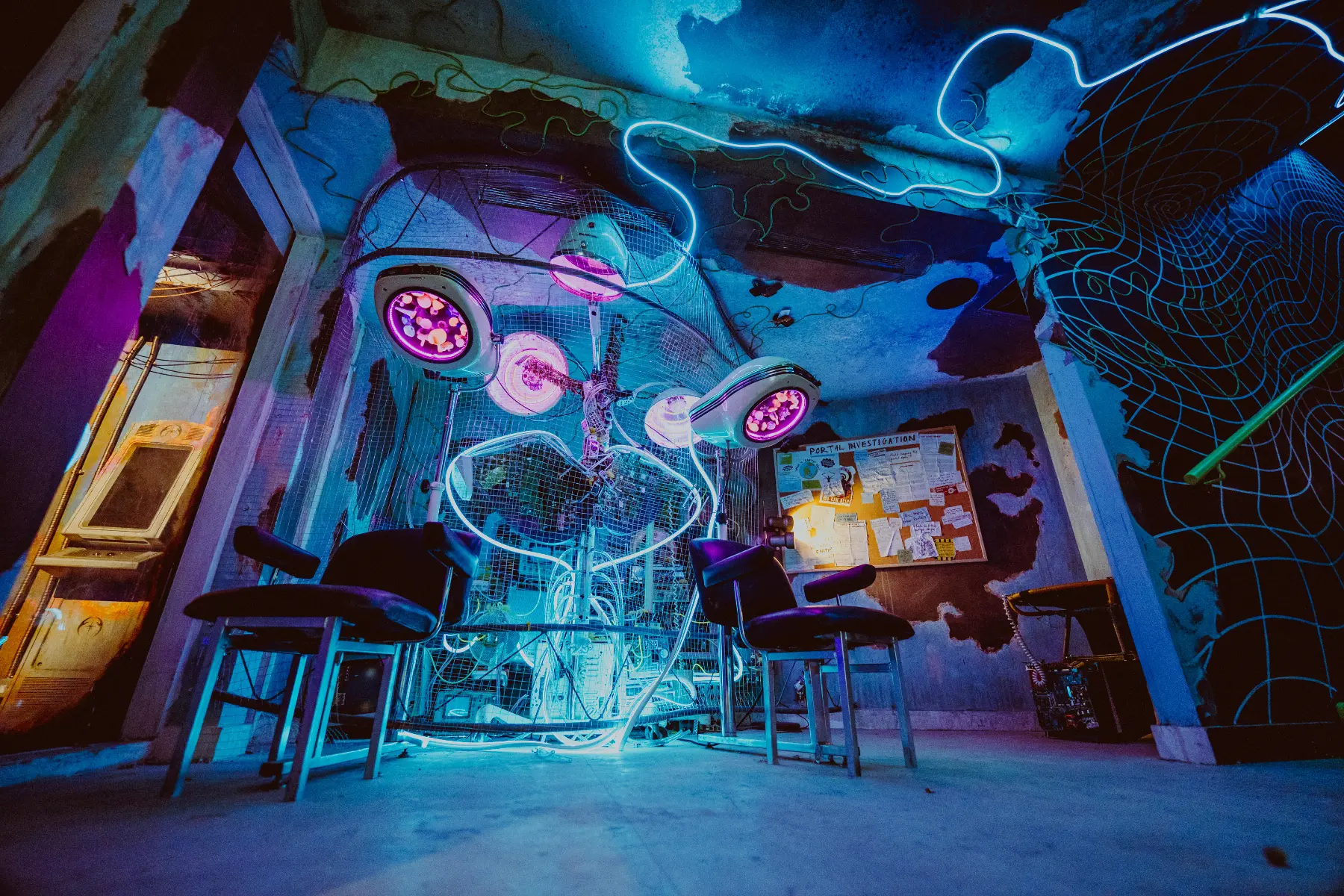
Installing and commissioning technical rooms.
We installed screens, fitted mounts and troubleshot selected rooms at Wake the Tiger’s London venue, under its technical directors.
View project
We deploy senior technical specialists, connect software and AV systems, and build controls and monitoring for productions and installations.
Selected projects
Room commissioning, video controls, live AI systems and studio infrastructure. Here’s what we delivered.
Installation, commissioning and show controls.
London
Installing and commissioning technical rooms.
We installed screens, fitted mounts and troubleshot selected rooms at Wake the Tiger’s London venue, under its technical directors.
View project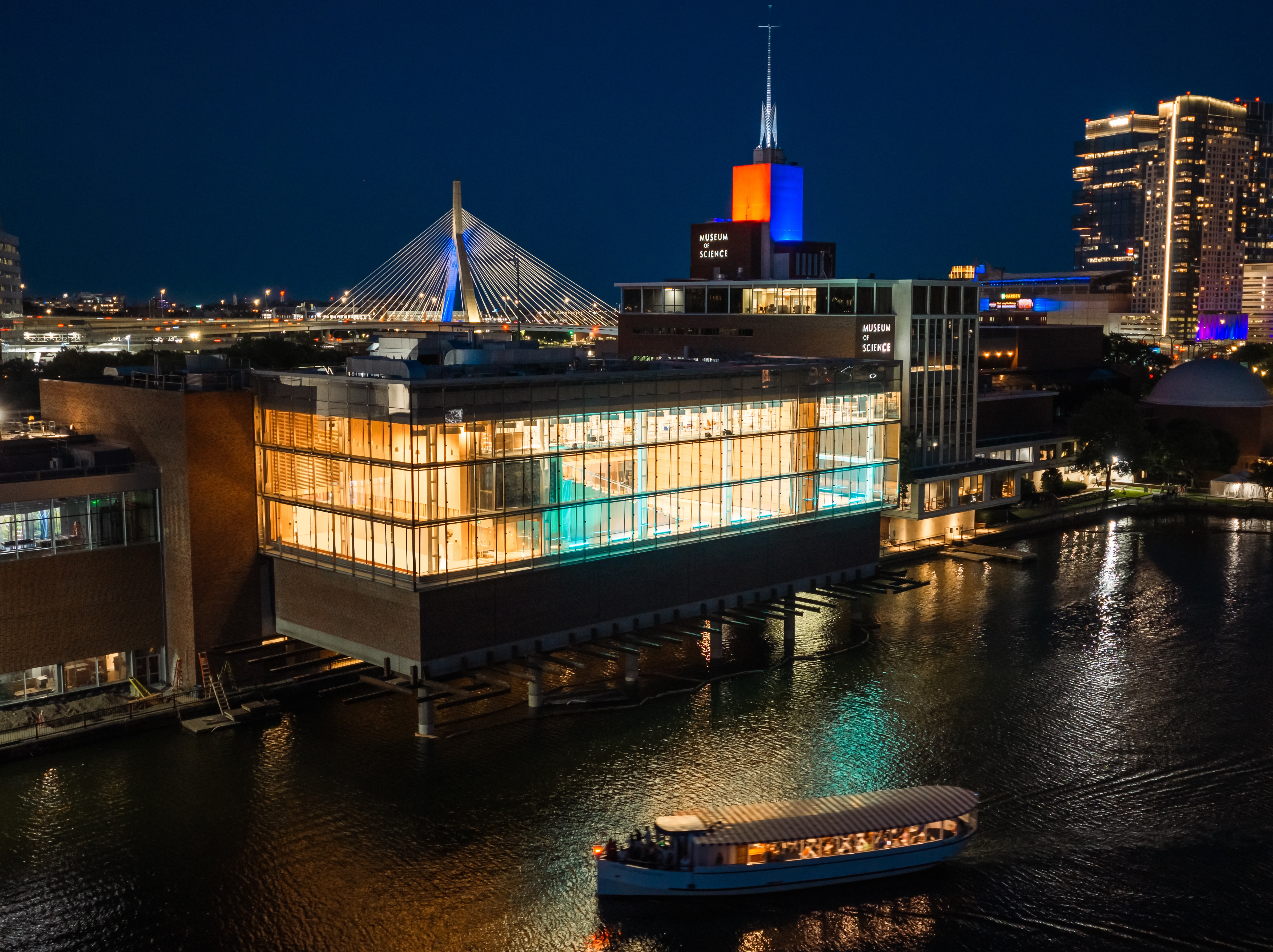
Boston
Switching video systems with one button.
We helped nilor install Novablossom and built controls for the Museum’s video systems as the Boston venue prepared for launch programming.
View projectProduction workflows, monitoring and capacity planning.
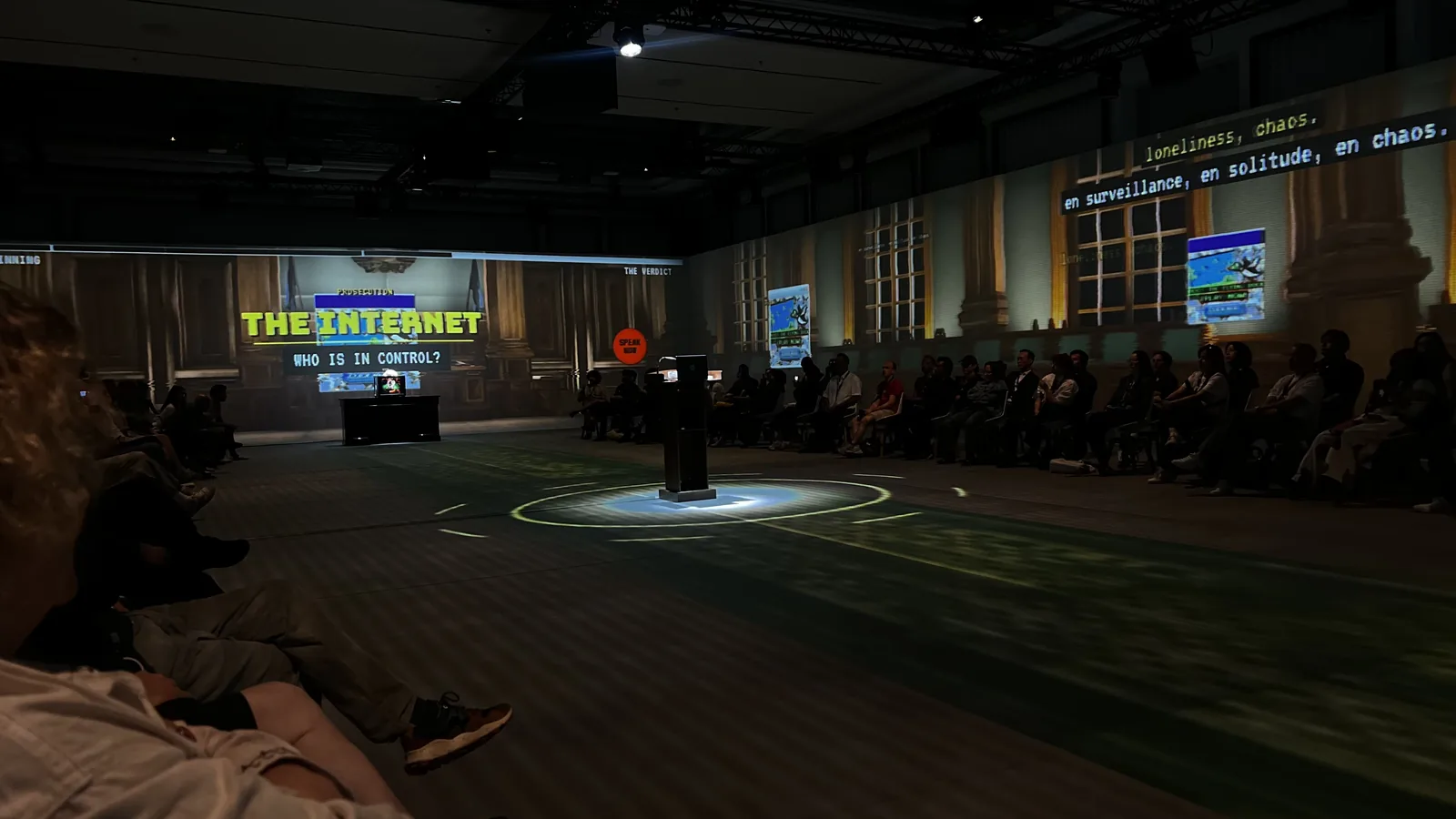
Production systems for a live AI courtroom.
For nilor’s GAWD v. The People, we built data workflows, documented the studio-to-venue interface and monitored AI token usage.
View project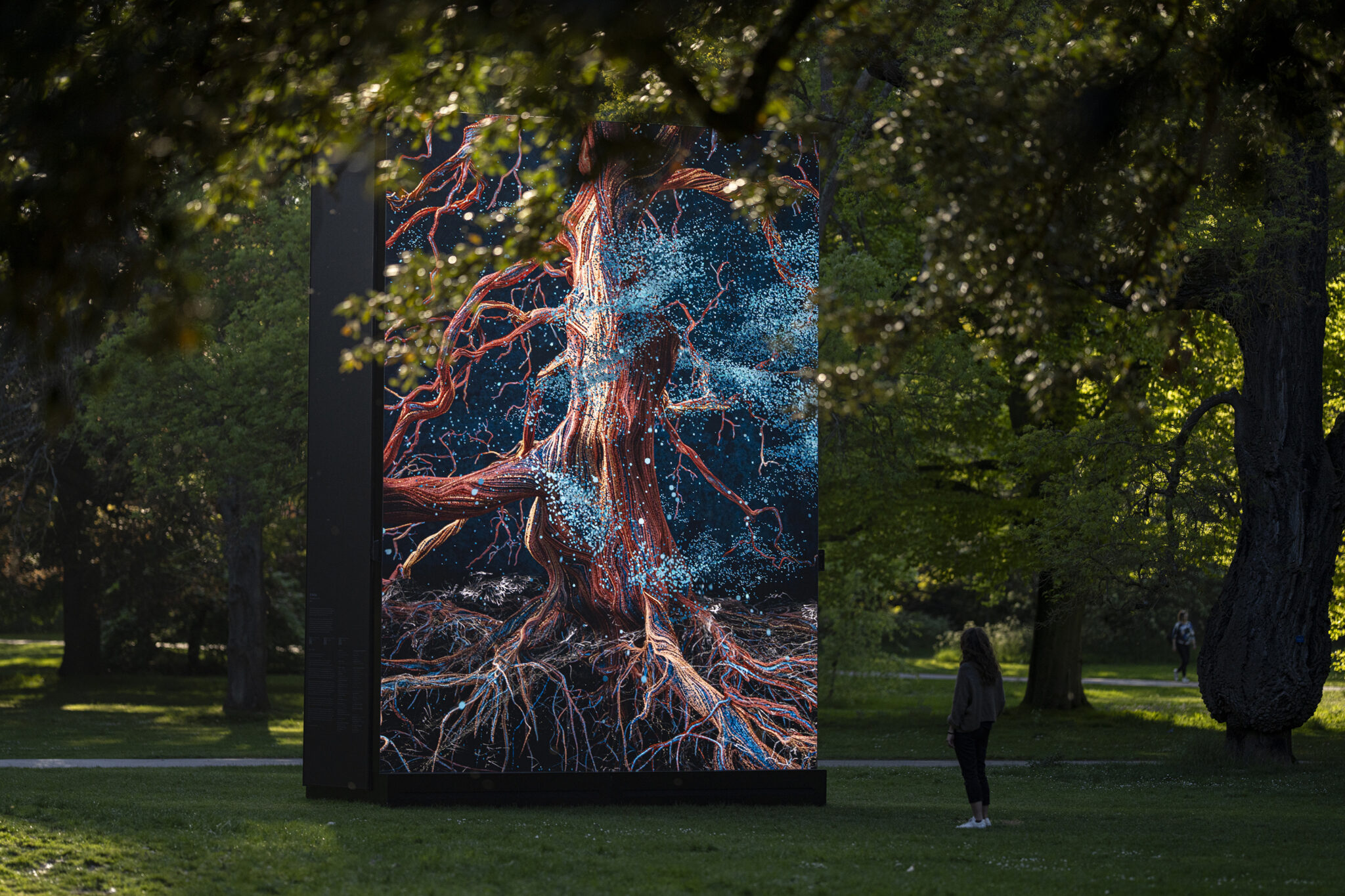
Mapping storage and planning render capacity.
We deployed StudioOps to connect MLF’s tools, map its storage and help the studio plan future render requirements.
View projectWhat we do
We work with creative studios, museums and immersive venues when a production needs specialist technical help. Our team works across London, the US and Singapore.
We join your production team for installation, commissioning and fault-finding. We coordinate the technical work across the studio, venue and visiting production.
We build applications that connect video systems, translate and transport data, monitor machines and put operator controls in one place.
We can scope ongoing monitoring and technical support around your systems, events and team. That includes documenting how the installation runs and who handles faults.
In development
We’re testing agent-assisted monitoring to gather fault reports and help specialists diagnose incidents. Wider deployment follows validation of the alert and escalation workflow.
Work with END Corp.
Planning an installation, preparing a live event or fixing a production system? Tell us about the setup, the deadline and where you need help.
hello@endcorp.co